The climate crisis is a global challenge that transcends borders, demanding urgent action and collaborative solutions. Addressing such a crisis requires effective awareness campaigns to spark meaningful discussions and mobilize action. Equally important are coordinated efforts between public and private sector actors and communities who are key players in the international trade value chain.
According to the African Export Import Bank (AFREXIM) 2024 African Trade Report, it is estimated that economies in Africa contribute only about 3.78% to greenhouse emissions compared to the USA and the European Union which contribute about 14% and 9% of global emissions respectively. Despite this low contribution to carbon emissions, African countries are among the hardest hit and the least resilient against impacts from climate change. Kenya, a country whose economy is deeply intertwined with climate-sensitive sectors such as agriculture, tourism and energy, the need to integrate climate considerations into various policies has never been more pressing. The competing interests between economic growth and environment sustainability has seen Kenya experience unique swings in the past decade. Although the country attained remarkable economic success which resulted in an upgrade into low middle income country status by the World Bank, Kenya has been battered by adverse weather and climatic changes that has resulted in the loss of lives, livelihoods and property.
While trade continues to be a catalyst for growth and globalization, it is impossible to think about its economic contribution without addressing its most immediate implication to the environment. For the longest time, emphasis has been on income growth and international trade has been a key priority for public and private stakeholders as an avenue for achieving financial prosperity at the expense of environmental sustainability. In the tourism sector, climate change has significantly affected biodiversity and scenic landscapes and has resulted in enhanced security measures for tourists visiting areas that are now prone to natural disasters such as floods and tsunamis.
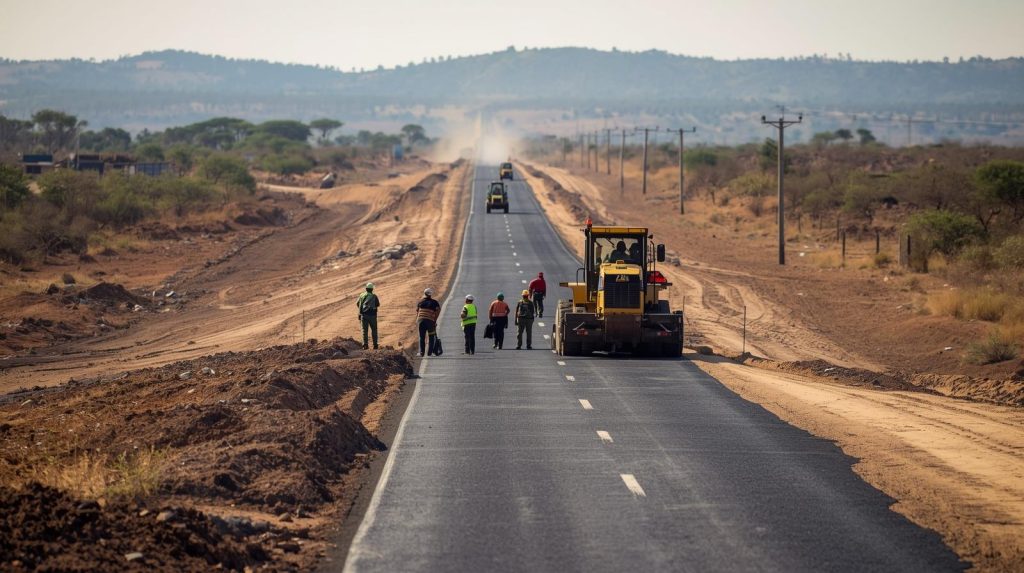
Kenya’s geographical position in the region makes it difficult for it to independently make and implement policies without considering its neighbours who depend on it on several fronts. Uganda, South Sudan, DRC and Ethiopia are landlocked countries that rely on the Port of Mombasa to ship their exports and imports. Due to inadequate infrastructure between transport corridors, these landlocked countries move goods using diesel-powered trucks across different parts of the country, further exacerbating the climate crises. Kenya’s push to have goods move across the country to different border points using electric-powered trucks can make significant difference. However, anticipated backlash from its neighbours, citing potential increase in cost and insufficient infrastructure such as charging stations, will make such ambitions dead on arrival.
The next Africa Climate Summit (ACS) will be a spectacular opportunity for the public and private sector, both nationally and regionally, to advocate for sustainable trade practices. Having ratified and rolled out the African Continental Free Trade Area (AfCFTA), intra-African trade is expected to increase between 20% and 30% in the medium term and this has the potential to deepen the continent’s climate crisis unless preventative measures are developed at this stage.